Our Story
Pioneering Cyber Hardening Technology
At RunSafe Security, our journey from inception to being a global leader in cyberhardening technology is fueled by a commitment to transforming cybersecurity. Founded by Joe Saunders and Doug Britton, our story begins with a shared frustration: despite heavy investments in perimeter defenses and constant patching cycles, critical systems remained vulnerable to sophisticated cyber attacks. This challenge sparked the creation of RunSafe’s groundbreaking immunization technology, which fundamentally disrupts the determinism that attackers rely on to exploit software vulnerabilities.
Founding RunSafe Security
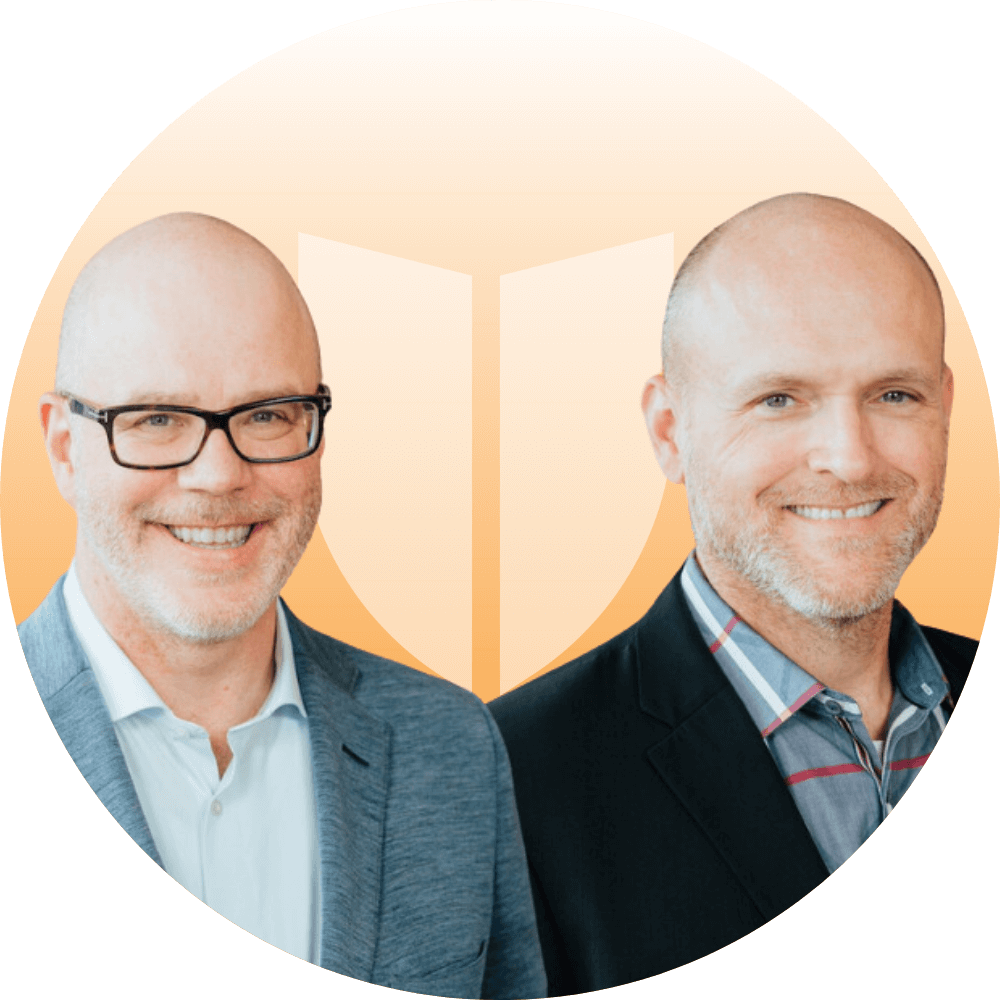
Joseph M. Saunders, Founder and CEO, brings a wealth of experience in building high-growth companies and commercializing innovative products at scale. Doug Britton, EVP, offers an extensive background in world-class security research. Together, they identified a critical gap in traditional security measures — the need for a proactive approach that prevents exploitation before it starts. This realization led to the development of RunSafe’s pioneering technology, designed to deny attackers the determinism they need to build reliable exploits, thereby reshaping the economics of security to favor defenders. Today, RunSafe has 17 patents covering our memory protection, software hardening, and cybersecurity techniques.
Our Mission
RunSafe Security is dedicated to delivering comprehensive cybersecurity solutions that safeguard both commercial and defense sectors against the most exploited and devastating vulnerabilities. Our mission is to enhance the security posture of organizations worldwide by implementing advanced protection strategies that are not just reactive but proactive.
Our Vision
Our vision is to make embedded software immune to cyber exploits, ensuring the security of interconnected devices across various sectors. We are focused on being a leader in memory safety and software supply chain risk identification, mitigation, and monitoring. By focusing on the most commonly exploited vulnerabilities, we aim to create secure and resilient systems that stand the test of time and cyber threats.
Backed By:

Latest Resources
Cyber CTO Warns AI Gives Nation-State Attackers a Scale and Budget Advantage
Artificial intelligence is changing more than the speed of vulnerability discovery. It is changing the economics of offensive cyber operations, allowing sophisticated adversaries to analyze more software, identify more targets, and move from vulnerability discovery to...
Why Critical Infrastructure Needs Operational Software Assurance
The world has changed, and software security has to change with it. Artificial intelligence is changing the risk profile of software by accelerating vulnerability discovery and exploit development. Geopolitical tensions are rising, putting more critical systems into...

Following Water System Cyberattacks, What Should “Secure” Actually Mean?
In late July, a coordinated cyberattack hit the operational technology (OT) at more than 30 community water systems in Minnesota, the first state to confirm what has since grown into a much larger campaign. Cyberattacks on water and wastewater systems have now been...
Get In Touch With RunSafe
Get in touch with RunSafe to learn how our automated cybersecurity solutions can protect your embedded systems, reduce vulnerabilities, and ensure robust, continuous security for your mission-critical software.