Secure Your Software Supply Chain—Automate Protection, Reduce Risk
Software supply chain attacks are surging, particularly as organizations rely on open-source and third-party components. RunSafe Security secures your software supply chain through automated SBOM generation, vulnerability identifiation, and hardening of external dependencies.
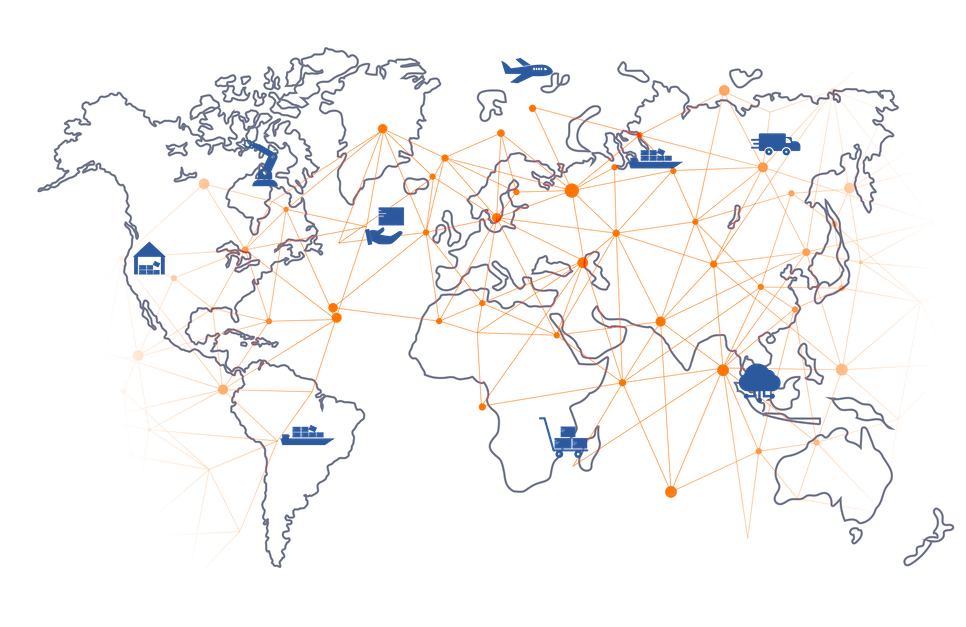
A Software Supply Chain Security Tool for More Visibility and Runtime Protection
Software supply chain attacks have surged by over 700% in recent years, with incidents like SolarWinds, Log4j, and XZ Utils demonstrating how a single compromised component can cascade across entire ecosystems. Most organizations control only a fraction of their software, relying heavily on open-source and third-party components that create expansive attack surfaces.
RunSafe Security transforms software supply chain security by automating SBOM generation, vulnerability identification, and code hardening. You get visibility into your code and runtime mitigations—all integrated into your existing development workflows.
RunSafe Security Was Honored as Best Supply Chain Security Solution Finalist in the 2025 SC Awards

Prevent Supply Chain Attacks
Before They Spread
RunSafe provides SBOM generation and vulnerability identification so you can get ahead of risk while our code protection shrinks your attack surface.

Deploy in Less
than a Day
RunSafe integrates with existing CI/CD pipelines and supports a range of development environments.

Build-Time SBOM Generation for Complete Supply Chain Visibility
Capture every component during compilation, not after the fact. Unlike traditional approaches that analyze final binaries, RunSafe generates comprehensive Software Bills of Materials (SBOMs) during the build process. This build-time approach captures every component, library, and dependency—including second-order dependencies that binary analysis often misses.
Our authoritative SBOM generation enables organizations to:
- Rapidly identify and respond to vulnerabilities, like Log4j-type incidents
- Maintain complete visibility into software composition
- Meet regulatory requirements (FDA, EU Cyber Resilience Act, Executive Order 14028)
- Communicate transparently with stakeholders and auditors

Automated Supply Chain Protection Against Memory-Based Exploits
Eliminate vulnerabilities across your software supply chain without code rewrites. RunSafe’s patented memory relocation technology hardens your software at the binary level during the build process, making it resilient to memory corruption exploits.
- Neutralizes the most critical vulnerabilities in C and C++ codebases, including those from third-party and legacy components
- Defends against both known and zero-day memory-based attacks that commonly target shared dependencies
- Maintains software performance without introducing overhead
- Integrates easily into existing CI/CD pipelines and toolchains
Latest Resources

What Is Embedded Runtime Security? Protecting Software After Deployment
Key Takeaways The 2026 LaPorte Report defines Embedded Runtime Security (ERS) as a distinct discipline for protecting deployed embedded software at runtime. ERS makes exploit attempts fail at execution, rather than relying solely on vulnerability discovery and...

From SBOM to Answer: Cutting Vulnerability Triage Time in Embedded Devices
The European Union's Cyber Resilience Act (CRA) began requiring manufacturers of connected products to report actively exploited vulnerabilities on a tight schedule in September 2026. Medical device makers have lived with similar post-market expectations from the...

Cyber CTO Warns AI Gives Nation-State Attackers a Scale and Budget Advantage
Artificial intelligence is changing more than the speed of vulnerability discovery. It is changing the economics of offensive cyber operations, allowing sophisticated adversaries to analyze more software, identify more targets, and move from vulnerability discovery to...
Ready to Get Started?
RunSafe secures the software supply chain by generating comprehensive SBOMs, identifying vulnerabilities, automating remediation, and ensuring end-to-end protection for embedded systems from third-party and open-source risks.