
Defending Advanced Driver Assistance Systems (ADAS)
Industry: Automotive
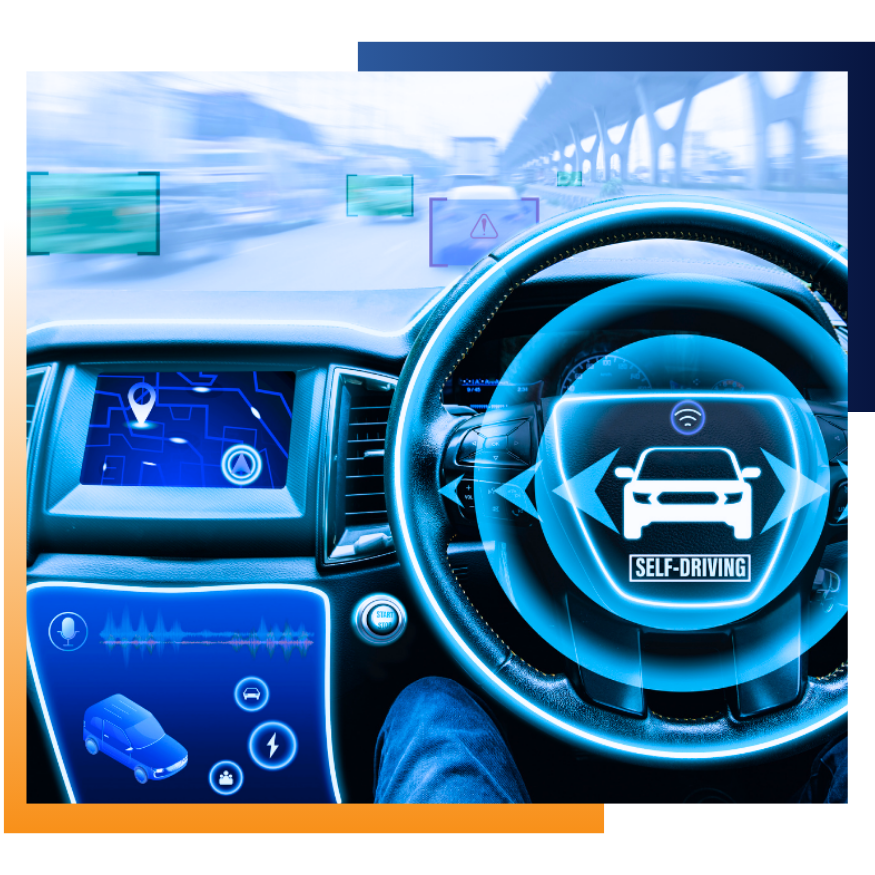
Advanced Driver Assistance Systems (ADAS) enhance safety using sensors, cameras, radar, and complex software. Examples of ADAS include lane keeping assist, which centers the vehicle in its lane; traffic jam assist, which manages speed and steering in slow traffic; and automated emergency braking, which prevents collisions. Specific safety features such as Forward Collision Warning with Autobrake have reduced front-to-rear collisions by 50% and injuries by 56%.

Challenge
Advanced Driver Assistance Systems that are written in languages like C or C++ are at risk of memory safety vulnerabilities like buffer overflows, dangling pointers, and potential exploitation and software crashes due to improper memory handling. Memory safety vulnerabilities in an automotive software pose a significant safety risk because a successful attack could alter sensor data or decision-making algorithms, endangering the vehicle’s safety. For example, memory corruption in sensors could result in incorrect object detection, leading to collisions or other dangerous situations.
“From our perspective, adding RunSafe means we have more opportunity to shrink the attack surface and reduce overall risks for our customers since security is now already built into our product.”
Key Features:

Protect Vehicle Safety and Security

Comply with Automotive Regulations

Enable New Automotive Technologies
Solution
RunSafe offers a memory-based cybersecurity solution designed to keep ADAS safe and secure against known and unknown vulnerabilities.
Key features of RunSafe’s solution include:
- Protect Vehicle Safety and Security
Fortify critical systems like braking and steering against cyber attacks. Millions of lines of code create a large attack surface. RunSafe provides automated cybersecurity protection from source to runtime, reducing vulnerabilities and enhancing vehicle safety.
- Comply with Automotive Regulations
Accelerate compliance with increasing regulatory requirements. RunSafe’s cybersecurity measures are easily integrated and support existing automotive safety standards (such as ISO/SAE 21434 and ISO 26262), improving compliance and enhancing the overall safety of vehicle systems.
- Enable New Automotive Technologies
Strong cybersecurity measures are essential for implementing emerging automotive technologies at scale. RunSafe’s solution continuously monitors automotive embedded software systems for potential threats, identifying and mitigating risks before they can impact vehicle safety and operation.
Examples
Enhancing vehicle safety: RunSafe offers collaboration with automotive companies to ensure the safety of autonomous vehicles. By implementing cybersecurity measures that comply with ISO 26262 standards, RunSafe can help protect autonomous systems from cyber threats, ensuring their safe operation.
Securing telematics and communication systems: RunSafe stands ready to partner with automotive manufacturers to secure telematics and communication networks within connected vehicles. By implementing RunSafe’s advanced cybersecurity solutions, automotive manufacturers can protect against potential cyber threats, ensuring the safe and efficient operation of their fleets.
Latest Resources

What Is Embedded Runtime Security? Protecting Software After Deployment
Key Takeaways The 2026 LaPorte Report defines Embedded Runtime Security (ERS) as a distinct discipline for protecting deployed embedded software at runtime. ERS makes exploit attempts fail at execution, rather than relying solely on vulnerability discovery and...

From SBOM to Answer: Cutting Vulnerability Triage Time in Embedded Devices
The European Union's Cyber Resilience Act (CRA) began requiring manufacturers of connected products to report actively exploited vulnerabilities on a tight schedule in September 2026. Medical device makers have lived with similar post-market expectations from the...

Cyber CTO Warns AI Gives Nation-State Attackers a Scale and Budget Advantage
Artificial intelligence is changing more than the speed of vulnerability discovery. It is changing the economics of offensive cyber operations, allowing sophisticated adversaries to analyze more software, identify more targets, and move from vulnerability discovery to...