
Enhanced Code Security for DevSecOps
Developers are often encouraged to embrace the “Shift Left” approach by embedding code security throughout the software development lifecycle. RunSafe Security incorporates security at build-time to provide runtime protection, seamlessly fitting into your existing build process without disrupting current workflows.
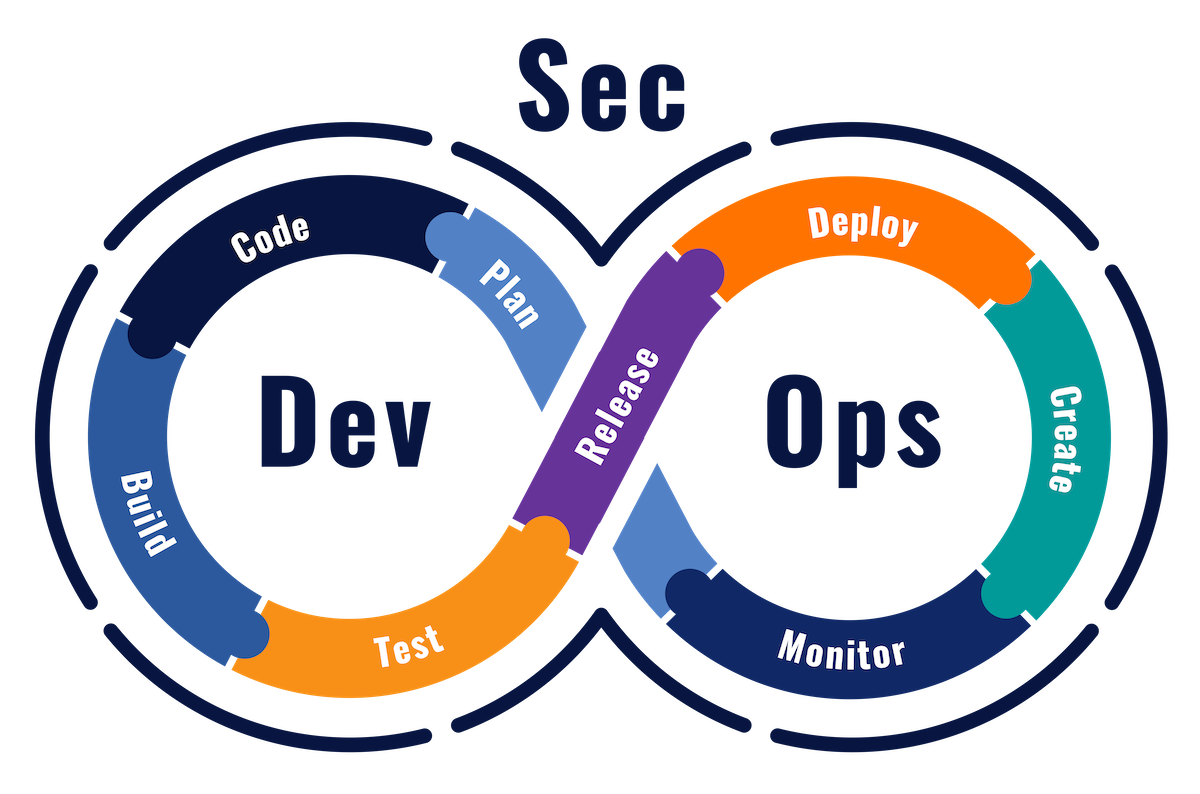
Streamline Security and Accelerate Development
DevSecOps is a collaboration between developers, security, and IT operations, designed to integrate security at build time. By sharing the responsibilities of securing code across teams, organizations can save time and money by not having to stop and patch later in the process.
RunSafe enables development teams to deploy protections at build time to prevent exploitation targeting known and unknown vulnerabilities at runtime even if a fix or patch is not available. Automating DevSecOps with RunSafe Security helps organizations and government agencies deliver applications more rapidly.
“From our perspective, adding RunSafe means we have more opportunity to shrink the attack surface and reduce overall risks for our customers since security is now already built into our product.”
Easy Build Process Integration
In as little as five minutes, RunSafe can be integrated into your existing CI/CD environment without altering existing workflows.

Automatically Secure CI/CD Pipelines
Incorporate code security throughout your continuous integration continuous delivery (CI/CD) pipelines.
Accelerate Delivery and Compliance
Secure delivery and compliance without the need for active development resources or ongoing maintenance.

Defend Against 70% of Cyber Exploits at Deployment
RunSafe’s cybersecurity solutions seamlessly integrate into the build process, creating robust defenses active upon deployment without disruption or extra development work. By integrating our memory protection technology into every software release prior to deployment, RunSafe can prevent up to at least 70% of the exploits being used in cyber kill chains today.

Fortify Software and Maintain Patching Schedules
Product security is one of the most challenging and expensive aspects of automating in DevSecOps. RunSafe Security’s products give teams the tools to deliver so that DevSecOps teams can maintain their regular patching schedules rather than react to emergency interruptions. RunSafe’s security solutions are highly effective by reducing attack surfaces and hardening code against known and unknown vulnerabilities. Our approach ensures that released software is fortified against modern threats, providing robust protection without the need for active development resources or ongoing maintenance. Our approach ensures that released software is fortified against modern threats, providing robust protection throughout the SDLC.
Latest Resources

What Is Embedded Runtime Security? Protecting Software After Deployment
Key Takeaways The 2026 LaPorte Report defines Embedded Runtime Security (ERS) as a distinct discipline for protecting deployed embedded software at runtime. ERS makes exploit attempts fail at execution, rather than relying solely on vulnerability discovery and...

From SBOM to Answer: Cutting Vulnerability Triage Time in Embedded Devices
The European Union's Cyber Resilience Act (CRA) began requiring manufacturers of connected products to report actively exploited vulnerabilities on a tight schedule in September 2026. Medical device makers have lived with similar post-market expectations from the...

Cyber CTO Warns AI Gives Nation-State Attackers a Scale and Budget Advantage
Artificial intelligence is changing more than the speed of vulnerability discovery. It is changing the economics of offensive cyber operations, allowing sophisticated adversaries to analyze more software, identify more targets, and move from vulnerability discovery to...
Ready To Get Started?
RunSafe strengthens DevSecOps by embedding automated security measures into the CI/CD pipeline, mitigating vulnerabilities early in the development lifecycle without disrupting workflows or slowing down software delivery.