
Key Aspects of Medical Device Software Security
Read the guide to securing medical device software throughout its lifecycle, from development through deployment.

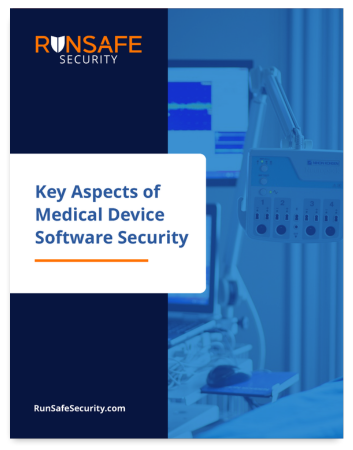
By downloading this white paper, you will:
- Learn how to apply Secure by Design principles right from the start
- Get a clear understanding of key regulatory requirements from the FDA, EU MDR, ANSI/AAMI, and more
- See how Software Bills of Materials (SBOMs) boost security and help manage vulnerabilities
- Get practices for a lifecycle approach to device security
- Discover runtime protection strategies to defend devices before patches are available
- Dive into real-world case studies of successful device security implementations
Software Security for Medical Devices
Software has transformed medical devices, enabling everything from remote patient monitoring to robotic surgery. But with this innovation comes serious cybersecurity challenges that can put patient data, device functionality, and even lives at risk.
Medical device manufacturers need to secure their products throughout their entire lifecycle.
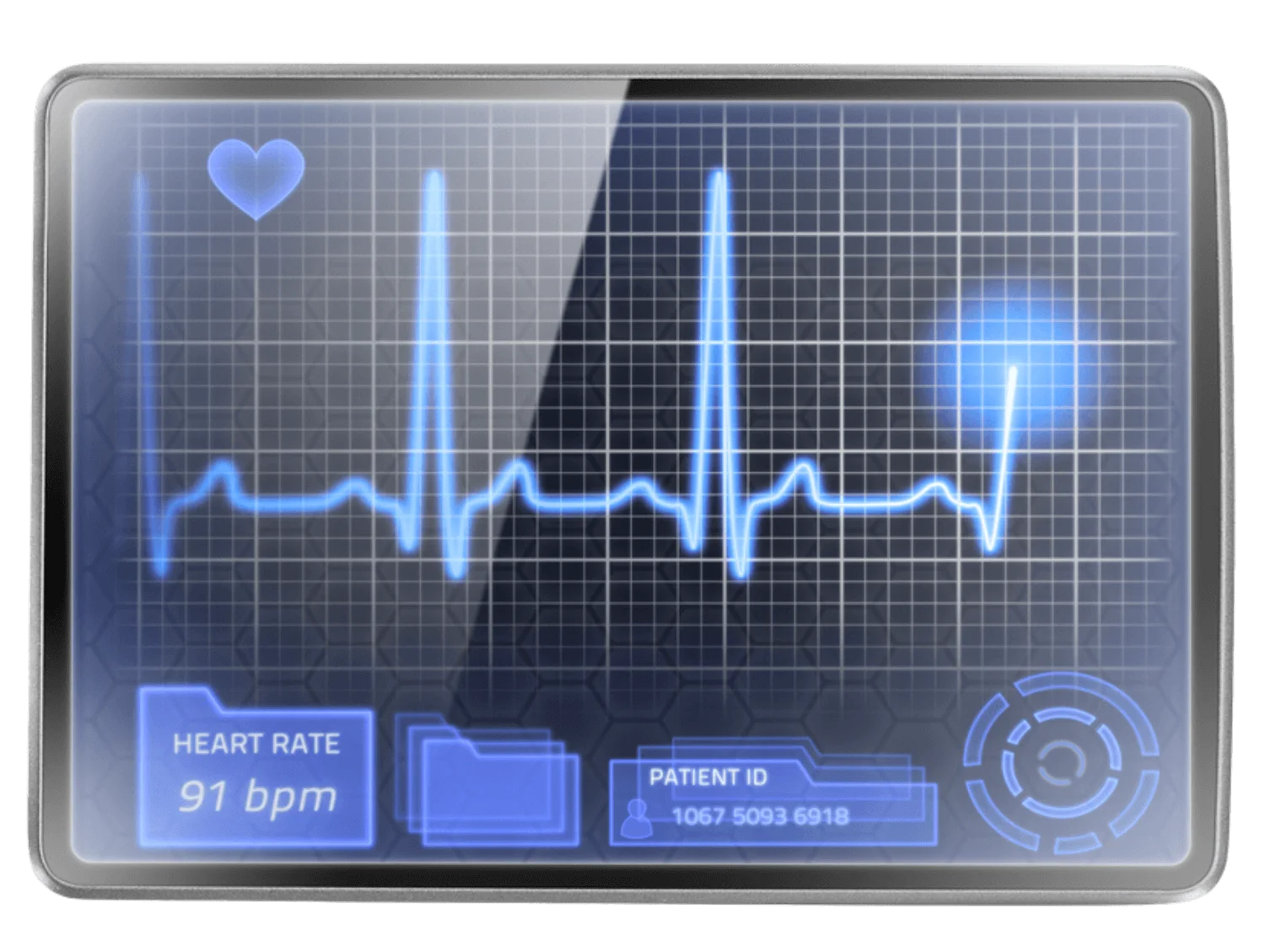

Full Lifecycle Security
From following Secure Development Practices to implementing Software Bills of Materials (SBOMs), there are several steps medical device manufacturers can take to enhance the security of medical device software.
Download the guide to learn how to keep your medical devices secure throughout their lifecycle, stay compliant with regulations, and protect the patients who rely on your technology.